Outdoor Living Surfaces Built for Lakeshore Weather
Concrete Patios in Muskegon for entertaining areas, hot tub pads, and backyard extensions requiring durable outdoor flooring
Homeowners replacing deteriorating wood decks or expanding usable yard space often choose concrete patios that withstand Michigan freeze-thaw cycles without warping, splintering, or requiring annual staining. Mckinley Concrete LLC designs and installs concrete patio surfaces for entertaining areas, outdoor kitchen layouts, hot tub installations, and backyard extensions across the Muskegon area, creating level platforms that remain stable season after season. Proper slope away from the foundation prevents water from directing back toward basement walls during rainstorms, while thoughtful control-joint placement manages thermal expansion without detracting from the finished appearance.
Patio construction begins with site preparation that removes organic material, establishes drainage grades, and compacts the sub-base to prevent settling beneath furniture groupings or cooking equipment. Control joints are positioned to complement the layout—dividing large pours into manageable sections while following sight lines and functional zones rather than appearing random or visually disruptive. Integration with existing landscaping, retaining walls, and adjacent hardscape requires coordinating elevation transitions and ensuring clean material boundaries where concrete meets pavers, stone, or lawn edges.
Arrange a patio consultation to review layout dimensions, finish options, and how the new surface connects with your existing outdoor features.
How Concrete Patio Installation Addresses Drainage and Cracking
Site preparation focuses on establishing a slight slope—typically one-quarter inch per foot—that directs water away from the house while remaining imperceptible underfoot. Control joints are cut or formed at intervals that account for slab dimensions and ambient temperature swings, allowing the concrete to expand and contract along planned seams rather than developing random cracks across high-visibility areas. Reinforcement placement depends on patio size, soil conditions, and whether the surface will support stationary loads like hot tubs or outdoor fireplaces.
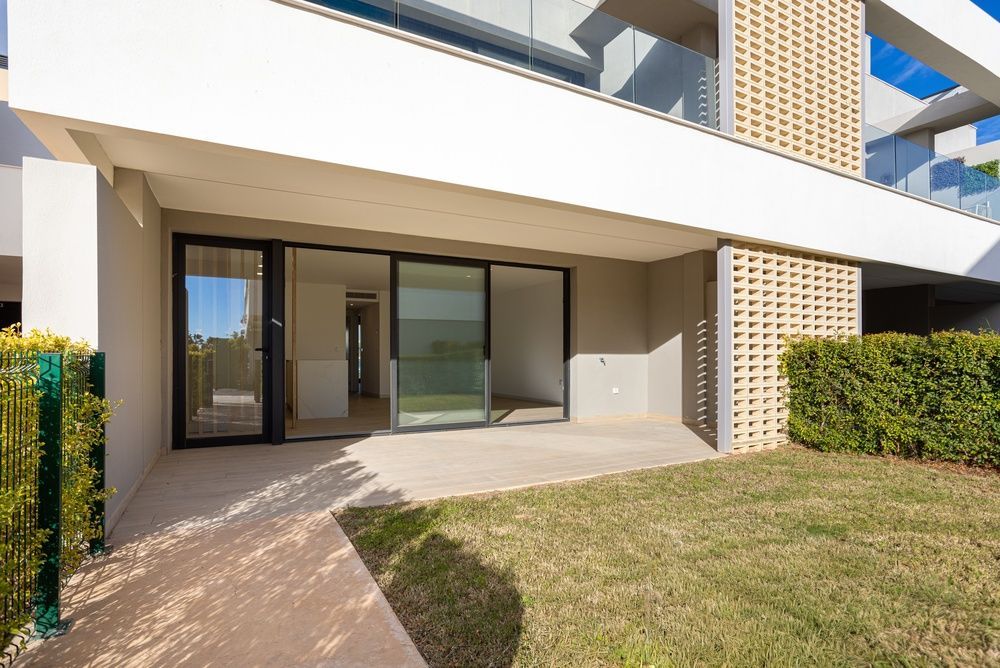
Once the concrete cures and finishing is complete, you gain a level outdoor surface that sheds rainwater consistently, supports furniture and cooking equipment without rocking or sinking, and provides a stable platform for seating arrangements and foot traffic during gatherings. The patio remains usable immediately after rainstorms because water drains away rather than pooling in low spots, and the surface resists staining from wet leaves or pollen buildup common in lakeshore yards.
Customization options include broom finishes for traction, decorative scoring patterns that add visual interest, and edge treatments that create clean transitions where the patio meets landscaping beds or lawn areas. Patio projects often incorporate multiple elevations or step-downs to accommodate sloped yards while maintaining accessible pathways and functional zones for dining, cooking, or relaxation.
Answers to Frequent Service Questions
Patio planning often raises questions about layout flexibility, material durability, and how new concrete integrates with existing outdoor features.
How does control-joint placement affect the patio's appearance?
Joints are planned to follow functional boundaries—separating dining areas from walkways or dividing large slabs into proportional sections—so they enhance the layout rather than appearing as arbitrary lines cutting through the surface.
What site preparation is necessary before pouring a patio?
Excavation removes sod and unstable soil, grading establishes drainage slope away from the foundation, and base compaction creates uniform support that prevents settling beneath furniture or equipment over time.
Can a concrete patio support a hot tub or outdoor kitchen?
Yes, but these concentrated loads require thicker concrete or additional reinforcement to distribute weight effectively, and the design must account for utility access and equipment footprints during the planning phase.
Why is slope important in a patio design?
A consistent grade away from the house prevents water from pooling against the foundation or basement walls, reducing moisture intrusion risks common in Muskegon's wet spring and fall seasons.
How does a concrete patio integrate with existing landscaping?
Edges are finished to create clean borders where concrete meets plantings, and elevation transitions are planned to maintain accessible pathways while respecting mature tree roots and existing hardscape features.
Mckinley Concrete LLC works with your yard's existing conditions to develop patio layouts that maximize usable space, manage drainage effectively, and complement your home's outdoor design. Request a consultation and estimate to discuss finish options, dimensions, and how the patio connects with your landscaping plans.